
Introduction to Multi-Button Intercom Technology
Multi-button intercom systems have become essential communication solutions for managing access in apartment buildings, office complexes, gated communities, and other multi-tenant properties. These advanced communication solutions offer a significant upgrade from traditional single-button intercoms, providing direct access to individual units, enhanced security features, and seamless integration with modern smart building ecosystems.
This guide will explore how these systems function, their various configurations, and why they've become indispensable for property managers and security professionals.
How Multi-Button Intercom Systems Work
The operation of these systems follows an intuitive four-step process:
1. Visitor Initiation
When a visitor arrives, they either:
- Press a dedicated button corresponding to a specific unit, e.g., "Apt 101"
- Enter a unit number on a keypad, commonly in larger buildings
2. Call Routing
The system directs the call to the appropriate recipient through either a wall-mounted indoor monitor or a smartphone app in cloud-based configurations. IP-based systems like those from DNAKE utilize SIP protocols for reliable connectivity.
3. Verification Process
Residents can engage in two-way audio communication or, with video systems, visually identify visitors before granting access. High-definition cameras with night vision capabilities ensure clear identification in all conditions.
4. Access Control
Authorized users can remotely unlock doors through multiple methods including mobile apps, PIN codes, or RFID cards, providing flexible security options.
Core System Components
Multi-button intercom systems streamline property access by combining communication and access control into a single, scalable solution. Here’s how the core components work together:
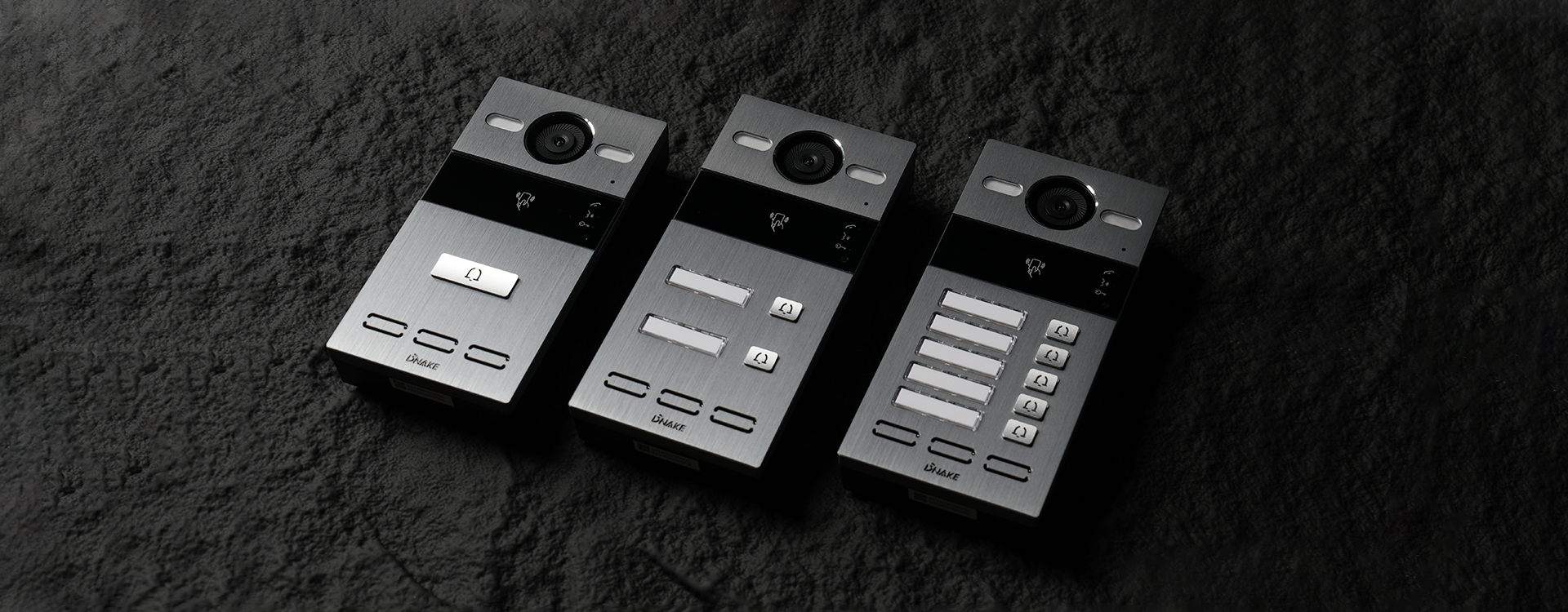
1) Outdoor Station: Weather-resistant unit housing call buttons, microphone, and often a camera. Some models like DNAKE's multi-button SIP video door phone designs allow expansion from 5 to 160+ call buttons.
2) Indoor Monitor: Ranging from basic audio units to sophisticated video monitors, these devices serve as the primary communication endpoint for residents.
3) Access Control Hardware: Electric strikes or magnetic locks provide the physical security mechanism, with options for fail-safe or fail-secure configurations depending on security requirements.
4) Network Infrastructure: Modern systems utilize either traditional wiring or IP-based networks, with Power over Ethernet (PoE) options simplifying installation.
Scalable Solutions for Different Property Sizes
Entry systems come in flexible configurations to fit various needs:
- 2-Button & 5-Button Door Stations – Ideal for small to mid-sized properties.
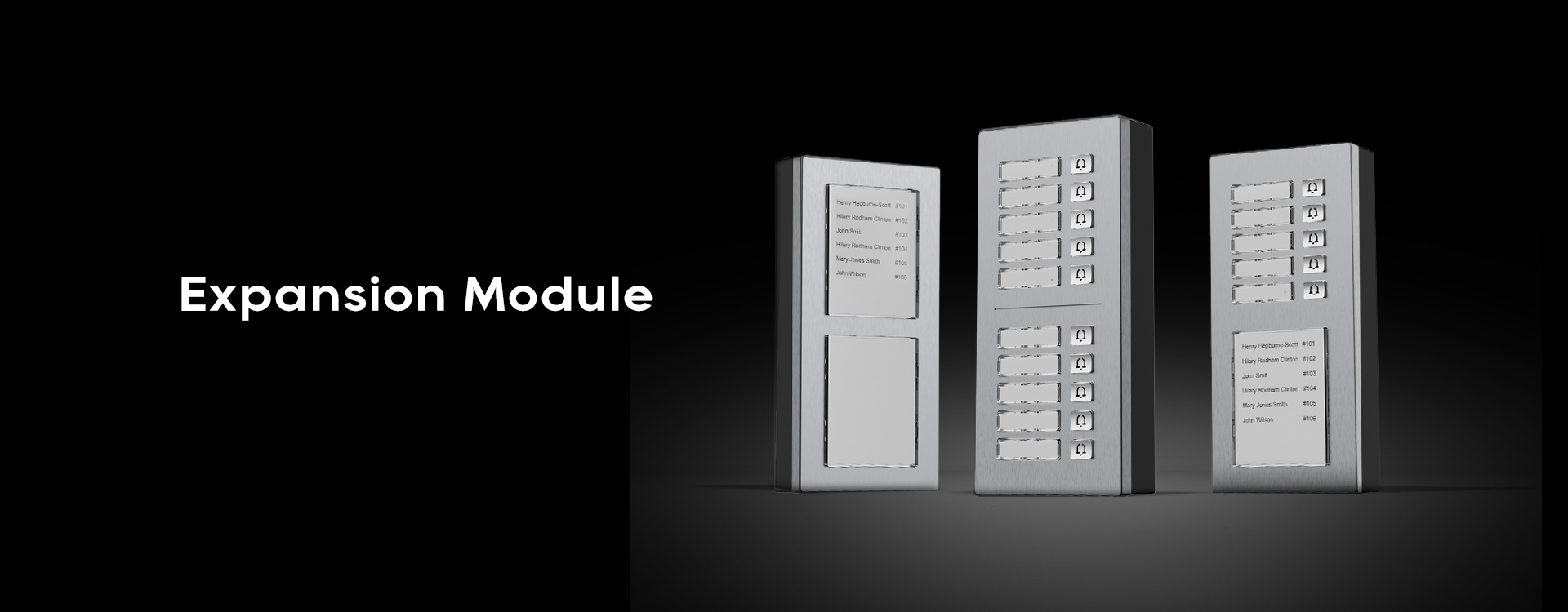
- Expandable Systems – Some models support additional modules for extra buttons or illuminated nameplates for tenant identification.
Choosing the right components ensures seamless access control and communication, whether for a single entrance or a complex multi-tenant building.
Types of Multi-Button Intercom Systems
1. Button-Type vs. Keypad Systems
- Button-Based Systems feature dedicated physical buttons for each unit, making them ideal for smaller properties. Their intuitive design requires minimal user instruction.
- Keypad Systems utilize numeric entry and are better suited for large complexes. While more space-efficient, they require visitors to remember or look up unit numbers. Some manufacturers offer hybrid solutions combining both interfaces.
2. Wired vs. Wireless
Multi-button intercom systems come in both wired and wireless configurations. Wired systems provide the most reliable connection and are ideal for new constructions, though they require professional installation. Wireless systems offer easier setup and flexibility for retrofit projects, but depend on network stability. Choose wired for permanent, high-traffic installations and wireless for convenience in existing buildings.
3. Audio vs. Video
Audio-only systems provide basic communication at an economical price point, ideal for properties where simple voice verification suffices. Video-enabled systems add a critical security layer with visual identification, with advanced models offering HD cameras, night vision, and smartphone integration for enhanced monitoring.
4. Analog vs. IP-Based
Traditional analog systems use dedicated wiring for reliable standalone operation. Modern IP-based systems leverage network infrastructure to enable remote access, integration with smart home devices, and scalable multi-property management through internet connectivity. While analog suits straightforward installations, IP systems future-proof growing security needs.
Benefits of Multi-Button Intercom Systems
1. Enhanced Security
- Visual verification of visitors with video intercom systems
- Mobile app integration allows remote monitoring and unlocking
- Audit trails of entry attempts
- Multi-factor authentication options
2. Improved Convenience
- Direct communication with specific tenants
- Mobile access eliminates need for physical keys
- Call forwarding options when residents are away
- Integration with smart home systems
3. Scalability
- Modular designs allow adding more buttons later
- Supports integration with other security systems (CCTV, access control)
- Some manufacturers like DNAKE offer expansion modules for additional functionality
4. Cost Efficiency
- Reduce need for concierge/security staff
- Lower maintenance than traditional systems
- Some models use existing wiring for easy upgrades
Installation Considerations
1. Pre-Installation Checklist
- Assess wiring: Existing systems may need upgrades.
- Choose placement: Outdoor stations should be weatherproof.
- Test signal strength for wireless models.
2. Professional vs. DIY Installation
-
DIY: Possible for plug-and-play wireless systems or intercom kits.
-
Professional: Recommended for wired or large deployments.
3. Maintenance Tips
-
Regularly test door release mechanisms.
-
Update firmware for IP-based systems.
-
Train tenants on using mobile app
Modern Applications
Residential Buildings
-
Apartment complexes
-
Condominiums
-
Gated communities
-
Senior living facilities
Commercial Properties
- Office buildings
- Medical facilities
- Educational campuses
- Retail centers
Industrial Facilities
- Secure entry to restricted areas
- Integration with employee access systems
- Visitor management
Future Trends in Intercom Technology
- AI-powered features like facial recognition and anomaly detection are becoming more sophisticated.
- Cloud-based management enables remote administration and over-the-air updates
- Smart home integration allows intercoms to interact with lighting, HVAC, and other building systems.
- Mobile-first designs prioritize smartphone control and notifications.
Conclusion
Multi-button intercom systems provide an effective solution for properties requiring secure, organized access control. With various configurations available from different manufacturers, including expandable options for growing properties, these systems offer flexibility to meet diverse security needs.
When selecting a system, consider your property's specific requirements and consult with security professionals to determine the best solution. Modern systems continue to evolve, incorporating smart technology and mobile integration for enhanced convenience and security.
For properties considering an upgrade, systems like DNAKE's multi-tenant intercom solutions demonstrate how modern intercom technology can provide both immediate benefits and future-proof scalability. Whether you choose a basic audio system or a fully-featured video solution, proper planning ensures a smooth transition and long-term satisfaction.